Secret #4 – How dark is your mix? (Or “How to Stop Wasting Paint”)
See page 77 of the newly released Second Edition of Look at That!
Step 1: Prewet your Palette Cover (i.e., mixing area)
Really? That sounds silly. No, it’s a smart habit. Let me explain. If you’re like most watercolorists, you begin by dampening your brush a little and going straight into your palette to pick up some pre-moistened paint. Next, you try to rub that brushful of fresh color onto the bone-dry mixing area, and you discover that much of the pigment/paint stubbornly sticks to the brush hairs. No worries, just use your brush to grab some more water, right? Wrong!
When you use that same brush to quickly pick up just a bit more water from your waterpot, bingo, that paint that was stuck in your brush heaves a big sigh of relief and releases…right into the water, the last place you wanted it! No wonder your paint water gets so dirty so fast!
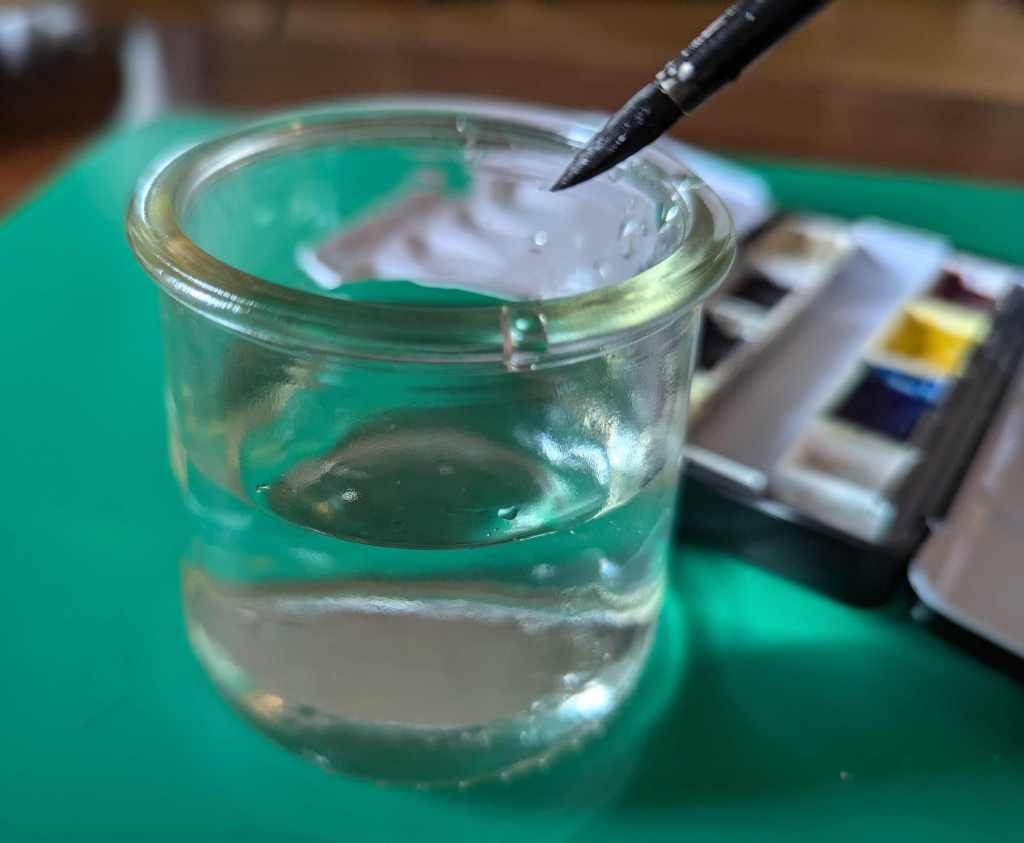
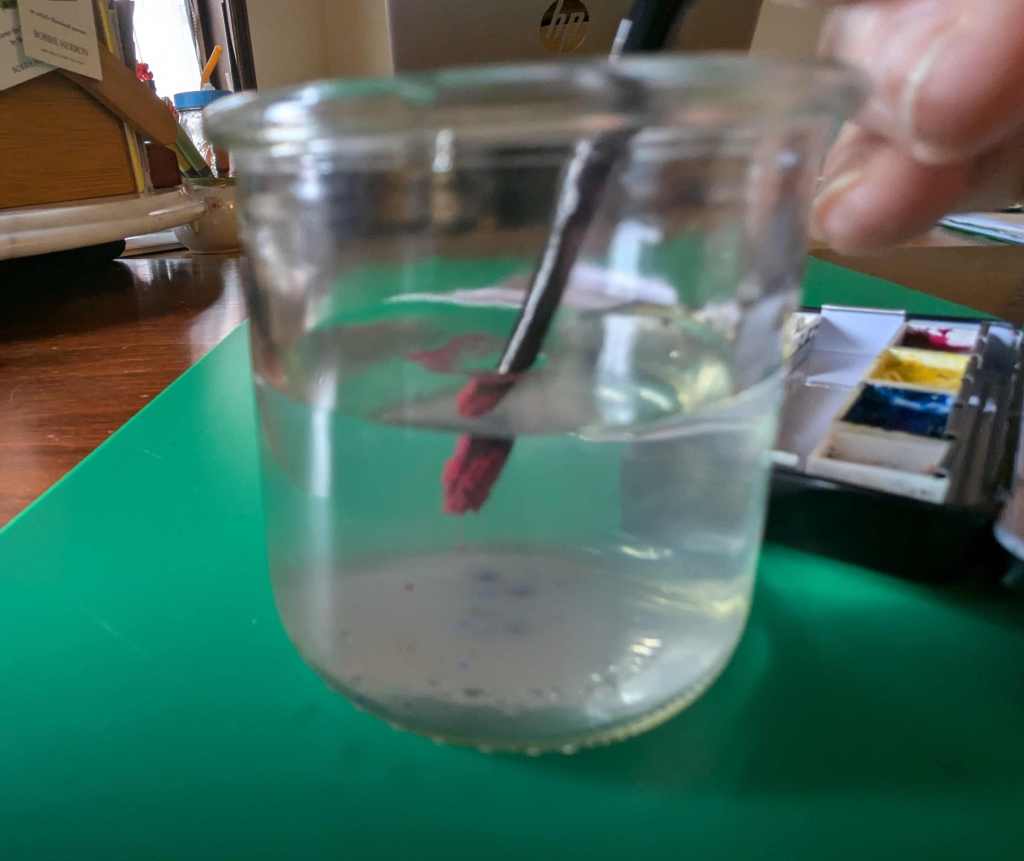
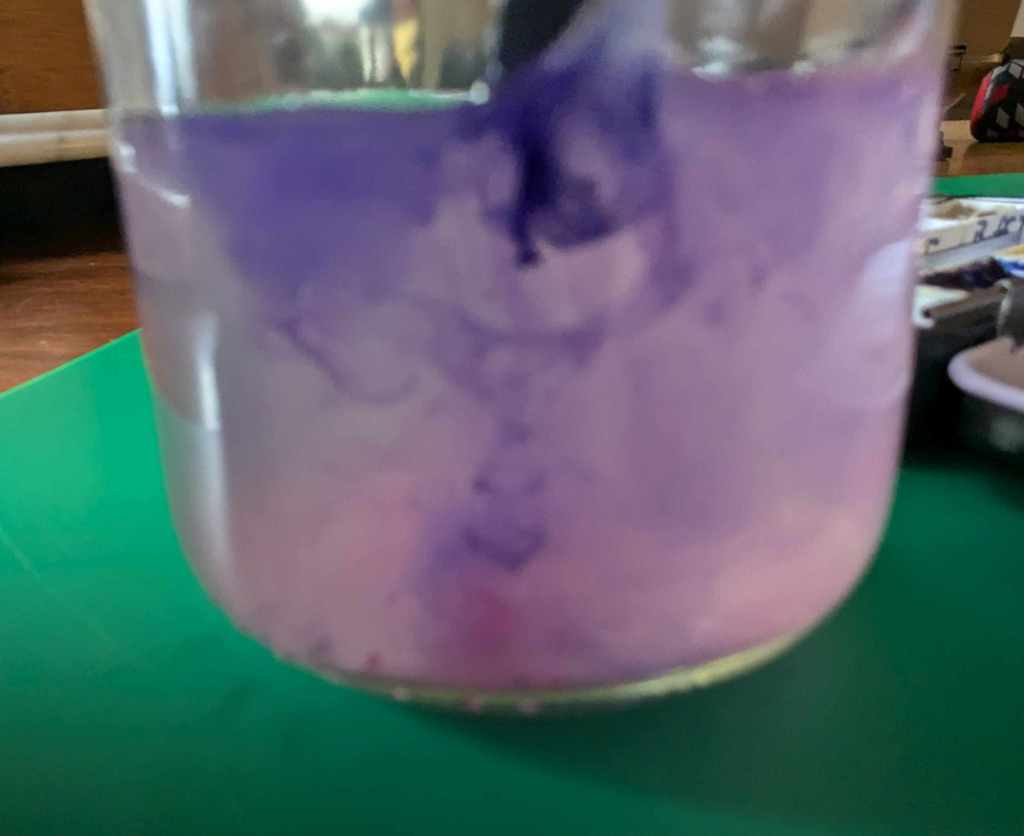
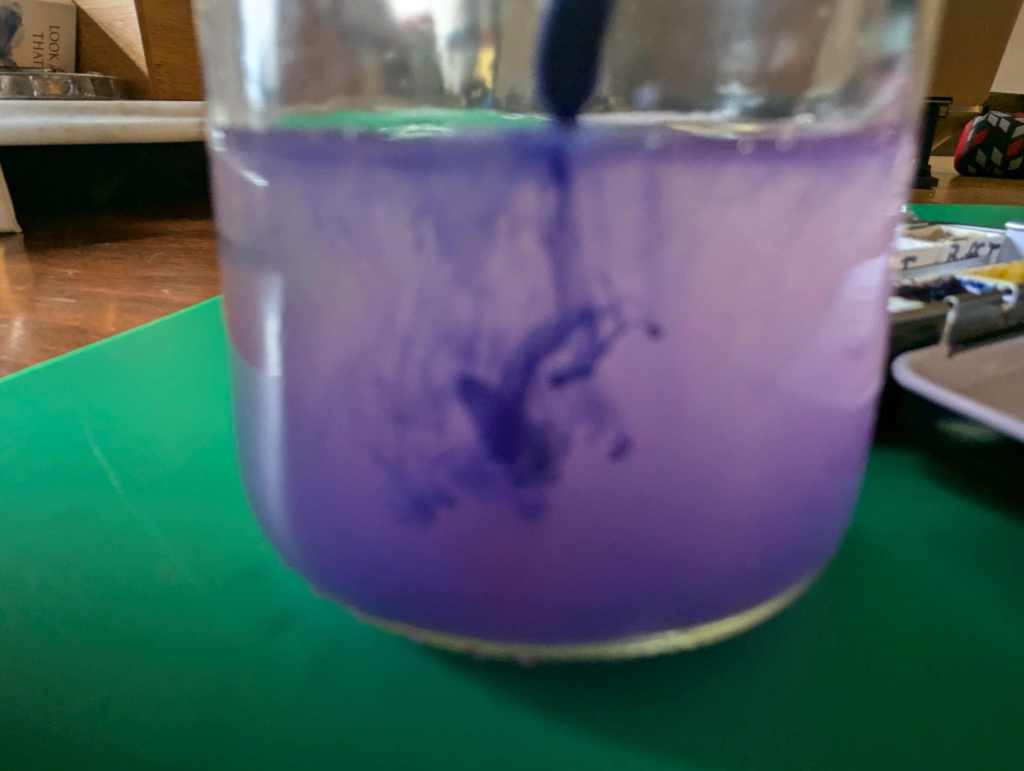
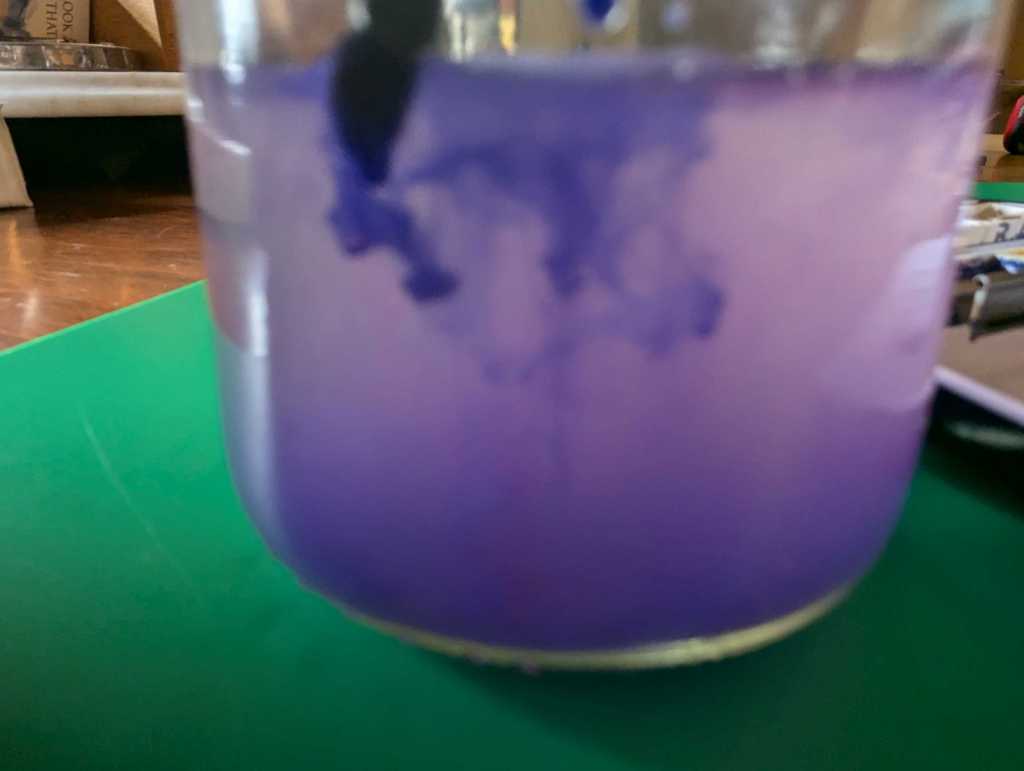
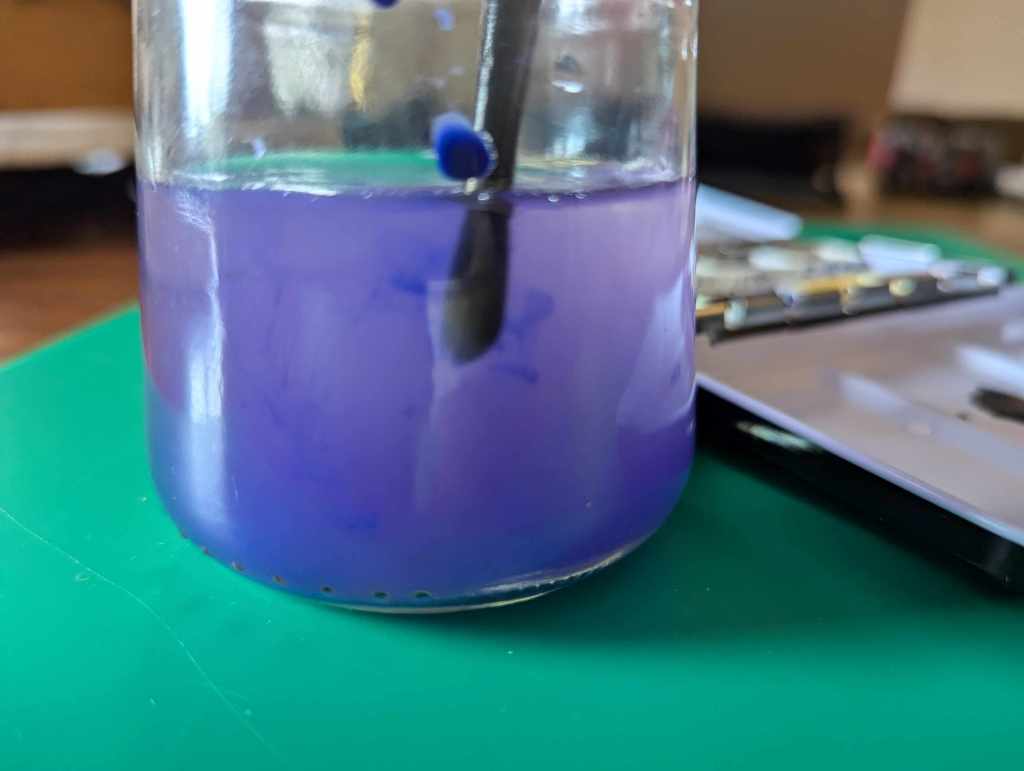
If you want to paint a large wash and therefore need a large puddle of paint, start off with enough clean water in your cover/mixing area to do the job. If you practice pre-wetting your mixing area, your waterpot water will stay cleaner, you will waste less paint, and your color mixing time will be much faster. Who knew?
A second trick to make your clean water stay clean longer: Wipe before you rinse! When you’ve finished using one color and want to start fresh with another, take a moment to wipe your “dirty” brush on a towel or tissue first, before dipping the brush in the water to clean it.
There are only two ways to begin cleaning a dirty brush: contaminate a towel or pollute your water. That’s it. Why not contaminate your precious water as little as possible by wiping off some of the brush’s paint first? Your clean water will still get a little murky, but far less than if you’d plunged straight into the water with a brush loaded with pigment.
I learned both of these “save paint while keeping your water clean” brush habits after decades of doing it the wrong way. With a bit of practice, your new habits will pay off beautifully.
Step 2: Try to pick up paint with the side/ belly of the brush whenever possible. This habit helps you to pick up more paint, faster, while preserving your brush’s tip. Sometimes you may want just a tiny dot of color, and in those instances, gently touch the tip of your brush into your luscious pre-softened paint.
Step 3: Give the water and the paint in your brush a chance to meet and mingle. After your damp brush picks up color from the pan, you might want to give the column of water still hiding in the core of your brush a chance to mix with the color perched on the outside hairs of the brush. All decent brushes are made to withstand a bit of gentle abrasion as you swirl your brush around the mixing area. Be careful not to mash your brush point straight down into either the paint or the mixing area.
This time spent mixing and checking the color and value is the key to achieving the depth of color you are seeking, first time, every time. Remember, your mix will dry 30-40% lighter so always mix up your wet paint darker than you think you need. And of course, I recommend using as few brushes as possible, so you get to know them as old friends.
Simple enough, right? It took me a while to break the habit of racing right into the pan of color with my excited brush without dampening my mixing area first, but I’m learning. Good luck, it’s well worth the time it takes to retrain your eager hand!
~~~~~
*** If you would like to purchase a copy of “Look at That! – SECOND EDITION” be sure to look for the version with the green stripe down the left side of the cover, and the words “SECOND EDITION” in the blue cloud at the top of the cover. The best shortcuts to find this new book are below: simply click on whatever version you prefer.
“Look at That! – SECOND EDITION”
Hardcover — Paperback — eBook
Feel free to forward this post to anyone you think might enjoy it. You can also re-post it on social media.
If you find these posts valuable, please consider making a contribution to The Tip Jar. It is a secure site, it helps keep me and this website solvent, and is greatly appreciated!
Questions? Comments? Public comments can be posted below.
Private questions or comments will reach me by using the Contact link here.
And, as always, thanks for spending some time “aloft”!

 Aloft with Inspiration